A Breath of Fresh Air in Your Inbox
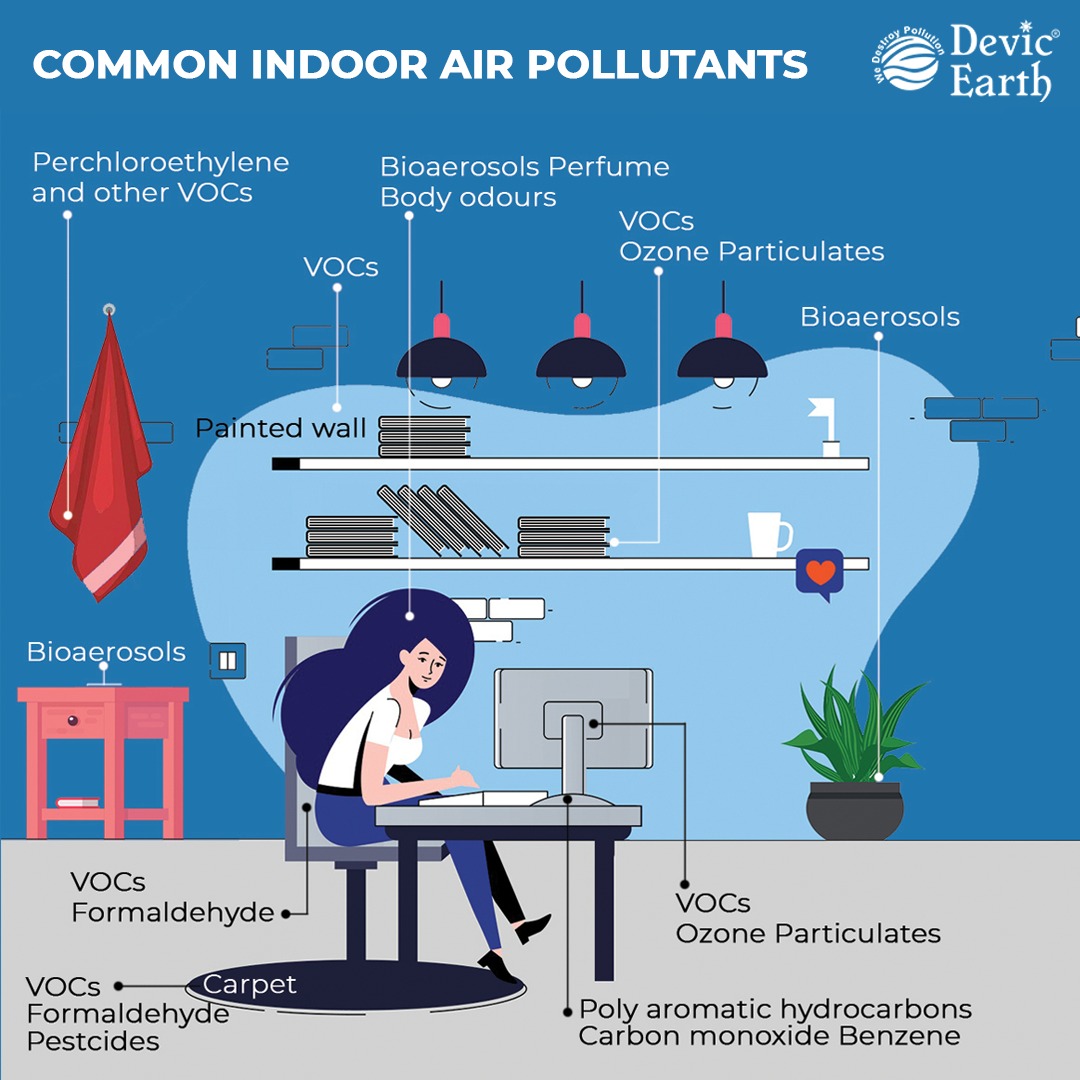
It’s easy not to think about what’s in the air you breathe in your home, especially considering you can’t see much of what’s floating around. However, if you want better indoor air quality (iaq), it’s important to do so and to take preventative steps to clear out the pollutants, bring in fresh air, and continuously strive for impressive iaq. It starts with knowing what some common indoor air pollutants are so you know how to proceed. A fresh coat of paint can brighten a room and help ameliorate irritants like mold. But, when paint is newly applied, it can release vocs into the air that can be damaging. Acute exposure to vocs from paint can cause dizziness, headaches, and nausea. Depending on the ventilation available, that “new home smell” you’re breathing in may actually cause more respiratory health problems than expected. https://storage.googleapis.com/q5m/moldremovalwilmingtonnc/index.html While air pollution calls to mind factories and plumes of car exhaust, common household substances affect the air we breathe as well. Indoor air pollution, caused by carpets, household chemicals or even furniture or building materials, may have detrimental health effects, especially for those with health risks like asthma or even allergies. The best way
read more
2. Environmental Tobacco Smoke
Environmental tobacco smoke is the secondhand smoke exhaled by smokers and the sidestream smoke from the burning of cigarettes, cigars, and pipes. https://storage.googleapis.com/q5m/moldremovalwilmingtonnc/index.html Secondhand smoke is a mixture of the smoke given off by the burning of tobacco products, such as cigarettes, cigars or pipes and the smoke exhaled by smokers. Secondhand smoke is also called environmental tobacco smoke (ets). Exposure to secondhand smoke is sometimes called involuntary or passive smoking. Secondhand smoke, classified by epa as a group a carcinogen, contains more than 7,000 substances. Secondhand smoke exposure commonly occurs indoors, particularly in homes and cars. Secondhand smoke can move between rooms of a home and between apartment units. Opening a window or increasing ventilation in a home or car is not protective from secondhand smoke. 4. Stoves, Heaters, Fireplaces and Chimneys Carbon monoxide is a by-product of the burning of fossil fuels. It is an odorless gas that can become fatal within minutes if inhaled at high concentrations. Heaters, furnaces, stoves, fireplaces, and gas-powered equipment can all emit carbon monoxide in various concentrations if not used and maintained properly. Exposure to low levels of carbon monoxide can make a person feel
read more
6.1.1. Sick Building Syndrome (SBS)
Gases such as radon and carbon monoxide materials used in the building such as asbestos , formaldehyde and lead sometimes a group of people have symptoms that seem to be linked to time spent in a certain building. There may be a specific cause, such as legionnaire's disease. Sometimes the cause of the illness cannot be found. This is known as sick building syndrome. Usually indoor air quality problems only cause discomfort. Most people feel better as soon as they remove the source of the pollution. However, some pollutants can cause diseases that show up much later, such as respiratory diseases or cancer. Indoor air quality (iaq) is the air quality within buildings and structures. Poor indoor air quality due to indoor air pollution is known to affect the health, comfort, and well-being of building occupants. It has also been linked to sick building syndrome , respiratory issues, reduced productivity, and impaired learning in schools. Common pollutants of indoor air include: secondhand tobacco smoke , air pollutants from indoor combustion , radon , molds and other allergens , carbon monoxide , volatile organic compounds , legionella and other bacteria, asbestos fibers , carbon dioxide , ozone and particulates. Source control, filtration,
read more
6.2. Acute Respiratory Infection
The two common nitrogen oxides, nitric oxide and nitrogen dioxide, are toxic gases. Nitrogen dioxide is corrosive and highly reactive. The gas can pollute your home from kerosene heaters, unvented combustion appliances, welding, and tobacco smoke. Nitrogen dioxide irritates the eyes, nose, throat, and respiratory tract. When released at high levels, it can cause pulmonary edema and acute bronchitis. Exposure to low levels of nitrogen dioxide might decrease lung function and increase the risk of respiratory infections. Make sure that your appliances are correctly installed and regularly maintained to minimize exposure. 7.2. Advanced Technologies for Monitoring of IAQ If you’re concerned about what’s in the air you’re breathing at home, consider getting an air quality monitor. Iaq is a small, no-setup smart device that prevents unknown exposure to harmful air pollutants by giving you a reading of what’s in your air. Check it out on kickstarter today!. https://storage.googleapis.com/q5m/moldremovalwilmingtonnc/index.html There are two main things we’d like to get across about indoor air quality (iaq) right off the bat. First, scientific studies have given supporting evidence that indoor air quality can be worse than outdoor air pollution. This can be true in even the largest and most
read more
2. Indoor Air Quality (IAQ) and Indoor Air Pollution (IAP)
Simply put, indoor air pollution refers to any contamination of the air within a building. Pollutants are generally grouped into the following categories: molds, solvents, pesticides, smoke, pet dander, and gases. Most properties will suffer from indoor air pollution to some degree. The quality of your indoor air (iaq) is a measure of how the air inside of a building affects its occupants’ health and comfort. Indoor air pollution has become a more pressing concern in recent years due to the construction of more energy-efficient homes. These properties tend to be relatively airtight, meaning that the air inside can quickly become stagnant and pollutant levels rapidly rise. Strokes and heart attacks impaired cognitive development for infants and fetuses however, there are many ways to reduce air pollution. For one, building owners can install indoor air quality (iaq) sensors to perform constant indoor air quality inspections. As the iaq sensors analyze these metrics, data funnels into a software program and alerts building managers as soon as levels become dangerous. Tracking air quality is also vital in construction settings. Iaq sensors measure and test for dust, fine particles from building materials, and toxic fumes. Many of these particles are extremely hazardous, so tracing
read more
Moisture Control is the Key to Mold Control
The key to mold control is moisture control. Solve moisture problems before they become mold problems!. The key to mold prevention is moisture control. When excessive amounts of moisture accumulate indoors, mold growth occurs if the problem is not corrected quickly and properly. While it is impossible to eliminate all molds and spores from the air , it is possible to control indoor moisture, and therefore curb mold growth in your home. Actions that will help to reduce humidity Household dust mites and their debris flourish in damp, mouldy conditions. Living in bedding, carpets and other soft furnishings, dust mites thrive in homes that don’t have adequate ventilation and where relative humidity is high. Did you know if you have had your pillow or duvet for over 2 years 10% of their weight is made up of dust mites, dead mites and their droppings. When this detritus comes into contact with skin or is inhaled, it can cause allergic reactions, resulting in asthma attacks, eczema, watering eyes, itching, sneezing and a runny nose. Reducing humidity levels considerable reduces the mites’ ability to thrive. Preventing mold starts with controlling moisture in your
read more
Moisture and Mold Prevention and Control Tips
Preventing mold in the first place can save you time, money, and stress. There are many ways to help control moisture and prevent mold growth in your home. The foremost rule to remember: if you can see or smell mold, eliminate the excess moisture, then clean and remove the mold. It’s crucial to identify and remove any sources of moisture before health and structural problems arise. Although nothing is guaranteed, follow these tips that can help prevent a mold infestation in your home. Mold. It’s one of those things homeowners dread. Not only is it unsightly, but also if left, mold in the home can affect your health, producing allergens and irritants. Thankfully mold prevention isn’t some form of dark art but actually quite preventable and the technique to avoiding mold in the home is: moisture control. Check for leaks at least once a month look for signs of water damage or discoloration proper ventilation: install a small battery-operated fan to improve air circulation keep the cabinet door slightly open when possible to allow air flow moisture control: use a dehumidifier or moisture absorber in the cabinet wipe down pipes and surfaces regularly to remove condensation leak prevention: apply plumber’s tape to pipe connections replace worn-out
read more
A Brief Guide to Mold, Moisture and Your Home
Without knowing it, many of us live in homes that are inviting to mold. In order to grow, mold requires: a food source (organic matter) moisture appropriate temperature oxygen there are many materials in our homes that provide food for mold, such as wood, textiles, paper, leather, or surfaces covered with organic matter like dirt. The moisture in your home may be from a leak, flooding, or high humidity. You may not be able to control all of the food sources for mold, you can control the moisture. Keeping mold from growing in your home is essential for maintaining a safe and healthy environment. This guide will teach you how to effectively prevent mold, reduce moisture, and protect your family’s health. Whether you are a homeowner, renter, or landlord, these mold prevention strategies are worth exploring. How do I get rid of mold? Avoid breathing in mold or mold spores. In order to limit your exposure to airborne mold, you may want to wear an n-95 respirator, available at many hardware stores and from companies that advertise on the internet. (they cost about $12 to $25. ) some n-95 respirators resemble a paper dust mask with a nozzle on the
read more