A Breath of Fresh Air in Your Inbox
by Admin
Posted on 07-03-2025 10:40 AM
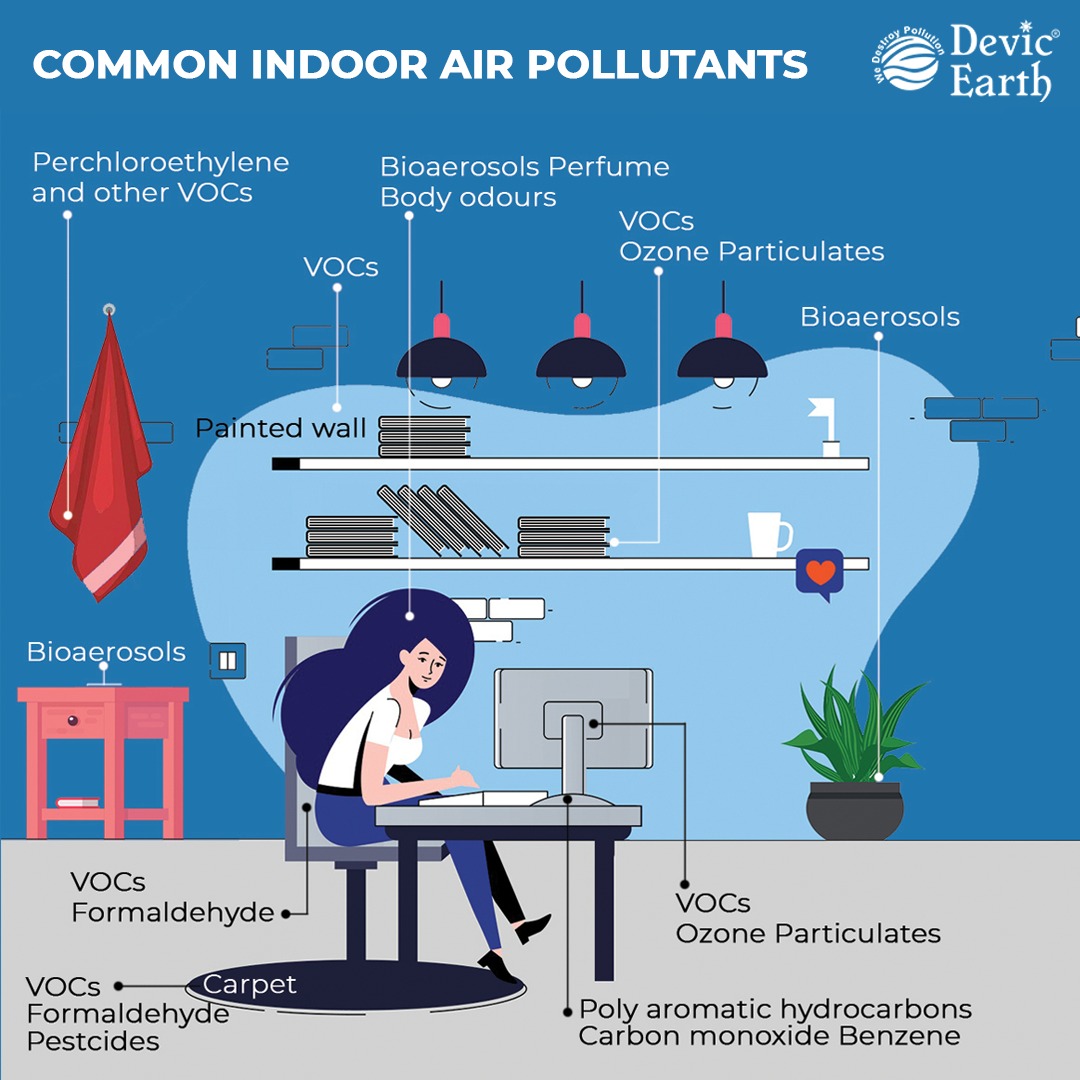
It’s easy not to think about what’s in the air you breathe in your home, especially considering you can’t see much of what’s floating around.
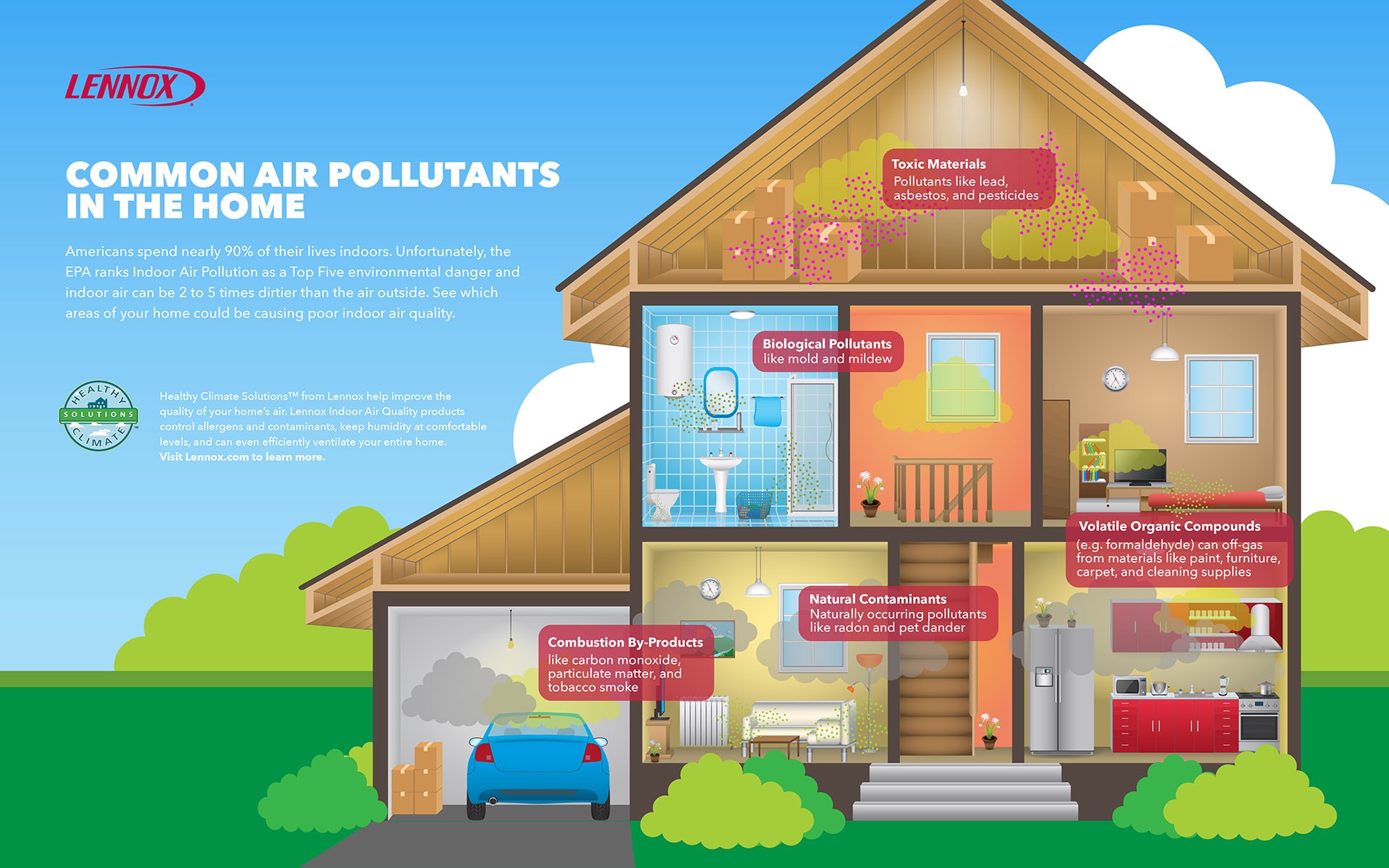 However, if you want better indoor air quality (iaq), it’s important to do so and to take preventative steps to clear out the pollutants, bring in fresh air, and continuously strive for impressive iaq. It starts with knowing what some common indoor air pollutants are so you know how to proceed.
A fresh coat of paint can brighten a room and help ameliorate irritants like mold. But, when paint is newly applied, it can release vocs into the air that can be damaging. Acute exposure to vocs from paint can cause dizziness, headaches, and nausea. Depending on the ventilation available, that “new home smell” you’re breathing in may actually cause more respiratory health problems than expected. https://storage.googleapis.com/q5m/moldremovalwilmingtonnc/index.html
While air pollution calls to mind factories and plumes of car exhaust, common household substances affect the air we breathe as well. Indoor air pollution, caused by carpets, household chemicals or even furniture or building materials, may have detrimental health effects, especially for those with health risks like asthma or even allergies. The best way to cut down on potentially harmful indoor air pollution is to first become aware of it and then either open the windows for some fresh air when necessary or swap out the common offenders for their more eco-friendly counterparts. Indoor air quality can be up to 5 times worse than the air outdoors.
Indoor air pollution: What causes it and how to tackle it
By hepacart on dec 14, 2022
indoor air pollution is a leading environmental health hazard in healthcare settings.
Overview air pollution is contamination of the indoor or outdoor environment by any chemical, physical or biological agent that modifies the natural characteristics of the atmosphere. Household combustion devices, motor vehicles, industrial facilities and forest fires are common sources of air pollution. Pollutants of major public health concern include particulate matter, carbon monoxide, ozone, nitrogen dioxide and sulfur dioxide. Outdoor and indoor air pollution cause respiratory and other diseases and are important sources of morbidity and mortality. Who data show that almost all of the global population (99%) breathe air that exceeds who guideline limits and contains high levels of pollutants , with low- and middle-income countries suffering from the highest exposures.
Indoor air pollution can be related to a wide range of activities and products including secondhand and thirdhand smoke, natural gas and wood fires, cleaners, furniture and fabric treatments, mold and other chemicals. Exposure occurs when children breathe airborne pollutants, which may be particulates, gases, vapors or biological materials. Inhalation of air pollutants can lead to various health effects such as upper and lower respiratory tract symptoms. Mucocutaneous exposure to some air pollutants can lead to irritation of the eyes, nose and throat.
Indoor air quality is an important health consideration in your home and can be a source of significant health problems for both adults and children. The environmental protection agency (epa) devotes substantial resources to educating the public about the importance of keeping the air quality as pure as possible in your home. Understanding some of the most common culprits indoor air pollution will help you take measured steps to eliminate some of these top sources and begin upgrading your ventilation system to filter out these harmful particles before they threaten your health. Check out our list of indoor air pollution examples below to start learning how to keep your indoor air quality as clean and healthy as possible.
Indoor air pollution is one of the world's largest environmental problems – particularly for the poorest in the world , who often do not have access to clean fuels for cooking. The global burden of disease is a major global study on the causes and risk factors for death and disease. 2 the study estimates of the annual number of deaths attributed to a wide range of risk factors are shown here. This chart is shown for the global total but can be explored for any country or region using the "change country or region" toggle. Indoor air pollution is a risk factor for several of the world's leading causes of death, including heart disease, pneumonia, stroke, diabetes, and lung cancer.
Tobacco smoke is a significant source of indoor air pollution, containing over 4,000 chemicals and increasing the risk of respiratory problems, asthma, and lung cancer. To minimize the impact of tobacco smoke on indoor air quality: maintain a smoke-free home: prohibiting smoking indoors is the most effective way to prevent tobacco smoke pollution within your living spaces. Smoke outdoors: if you or a family member smokes, make sure smoking occurs outside the home, away from windows and doors, to prevent smoke from drifting back inside. Regular cleaning: frequent cleaning, vacuuming, and laundering fabrics can help reduce the lingering effects of tobacco smoke.