6.1.1. Sick Building Syndrome (SBS)
by Admin
Posted on 07-03-2025 10:40 AM
Gases such as radon and carbon monoxide
materials used in the building such as asbestos ,
formaldehyde and lead
sometimes a group of people have symptoms that seem to be linked to time spent in a certain building.
 There may be a specific cause, such as legionnaire's disease. Sometimes the cause of the illness cannot be found. This is known as sick building syndrome. Usually indoor air quality problems only cause discomfort. Most people feel better as soon as they remove the source of the pollution. However, some pollutants can cause diseases that show up much later, such as respiratory diseases or cancer.
Indoor air quality (iaq) is the air quality within buildings and structures. Poor indoor air quality due to indoor air pollution is known to affect the health, comfort, and well-being of building occupants. It has also been linked to sick building syndrome , respiratory issues, reduced productivity, and impaired learning in schools. Common pollutants of indoor air include: secondhand tobacco smoke , air pollutants from indoor combustion , radon , molds and other allergens , carbon monoxide , volatile organic compounds , legionella and other bacteria, asbestos fibers , carbon dioxide , ozone and particulates. Source control, filtration, and the use of ventilation to dilute contaminants are the primary methods for improving indoor air quality. https://storage.googleapis.com/q5m/moldremovalwilmingtonnc/index.html
A number of well-identified illnesses, such as legionnaires' disease, asthma, hypersensitivity pneumonitis, and humidifier fever, have been directly traced to specific building problems. These are called building-related illnesses. Most of these diseases can be treated, nevertheless, some pose serious risks. Sometimes, however, building occupants experience symptoms that do not fit the pattern of any particular illness and are difficult to trace to any specific source. This phenomenon has been labeled sick building syndrome. People may complain of one or more of the following symptoms: dry or burning mucous membranes in the nose, eyes, and throat; sneezing; stuffy or runny nose; fatigue or lethargy; headache; dizziness; nausea; irritability and forgetfulness.
Indoor Pollutants and Sources
Ozone (from some air cleaners). Various volatile organic compounds from a variety of products and materials. Most pollutants affecting indoor air quality come from sources inside buildings, although some originate outdoors. Indoor sources (sources within buildings themselves). Combustion sources in indoor settings, including tobacco, wood and coal heating and cooking appliances, and fireplaces, can release harmful combustion byproducts such as carbon monoxide and particulate matter directly into the indoor environment. Cleaning supplies, paints, insecticides, and other commonly used products introduce many different chemicals, including volatile organic compounds, directly into the indoor air. Building materials are also potential sources, whether through degrading materials (e.
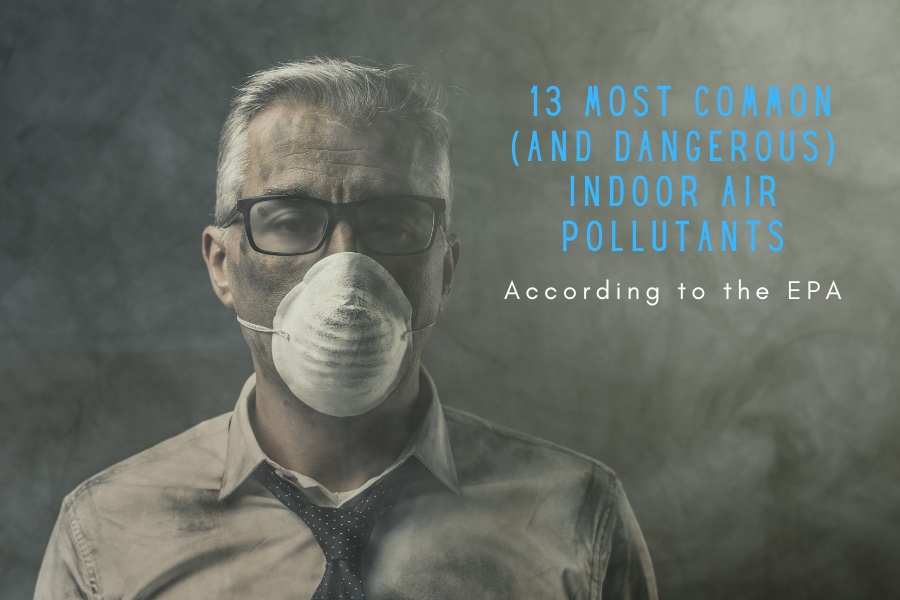
Air pollution is often mistaken as an outdoor problem. But it can also occur inside your space—even when windows and doors are closed. In fact, pollutants can be up to 2–5 times higher indoors —and in some instances, up to 100 times higher—according to the environmental protection agency (epa). When you’re inside, you’re not just breathing the pollutants from outside, which can seep in from cracks in door and window frames. You may also be breathing pollutants from indoor sources, like mold spores, pet dander, off-gassing chemicals, and more. Poor air quality can impact health in a variety of ways, causing respiratory problems and allergies, and in high concentrations, more serious issues, such as heart disease and cancer.
Ventilation: implementing robust ventilation systems to increase outdoor air exchange and reduce pollutant concentrations. Source control: identifying and eliminating or reducing emissions from pollution sources. Tsi offers a variety of instrumentation and solutions to help you identifying sources of pollutants and monitoring for any risks your staff may be exposed to. Air cleaning: using air purifiers and maintaining hvac systems with high-efficiency filters to capture airborne pollutants. Humidity control: maintaining indoor humidity levels between 30-50% to prevent mold growth and reduce dust mite populations.
Indoor Air Quality (IAQ)
Stand up for clean air initiative poor indoor air quality can cause or contribute to the development of infections, lung cancer and chronic lung diseases such as asthma. People who already have lung disease are at greater risk. Find out what makes indoor air unhealthy and how pollution can hurt your body.
In light of the widespread use of polluting fuels and stoves for cooking, who issued a set of normative guidance, the guidelines for indoor air quality: household fuel combustion , which offer practical evidence-based guidance on what fuels and technologies used in the home can be considered clean, including recommendations discouraging use of kerosene and recommending against use of unprocessed coal; specifying the performance of fuels and technologies (in the form of emission rate targets) needed to protect health; and emphasizing the importance of addressing all household energy uses, particularly cooking, space heating and lighting to ensure benefits for health and the environment.
You spend one third of your life asleep. But you spend your entire life breathing. Sure, there may be a minute here and there where you stop breathing for swimming-related reasons, but if you stop breathing, the jig is up. Game over, man. What you breathe should be as important as where you sleep. Your lungs are one of those "critical" organs and should be treated thusly. And if the air pollutants can find anything to harm in the lungs, they can move right into the bloodstream and have access to every organ. The best way to defeat an enemy is to know it.
To maximize the benefits of using an air purifier in our homes, we can follow these tips for effective operation and maintenance: run the air purifier continuously: to maintain clean indoor air, it’s recommended to run the air purifier continuously, especially in rooms where we spend the most time. Continuous operation ensures that the air is constantly being filtered and purified. Place the air purifier strategically: position the air purifier in a central location in the room to allow for optimal air circulation and filtration. Avoid obstructing the airflow around the device to ensure efficient operation. Change filters regularly: follow the manufacturer’s recommendations for filter replacements to maintain the effectiveness of the air purifier.
Combustion pollutants in your home - guidelines woodsmoke reduction program air cleaner information for consumers program tips for choosing indoor air cleaners for effective indoor smoke removal in california ; news release, october 2017 kitchen ventilation solutions to indoor air pollution hazards from cooking ; research seminar video, october 2013 protecting yourself from wildfire smoke carbon monoxide detectors: a california law (carbon monoxide poisoning prevention act of 2010; health and safety code, section 13260-13263 ) requires that carbon monoxide detectors or alarms be installed in all dwellings that have any kind of fuel type appliance (gas, propane, etc. ) or an attached garage. The co detectors/alarms must be those approved by the california office of the state fire marshall.